Teachers of non-dual paths
What each teaching is about, who it is meant for, where one can start, and the sources that document it.
A first selection
Chosen by the editors as a place to begin, not a ranking. Everyone also appears in the full list below.
-
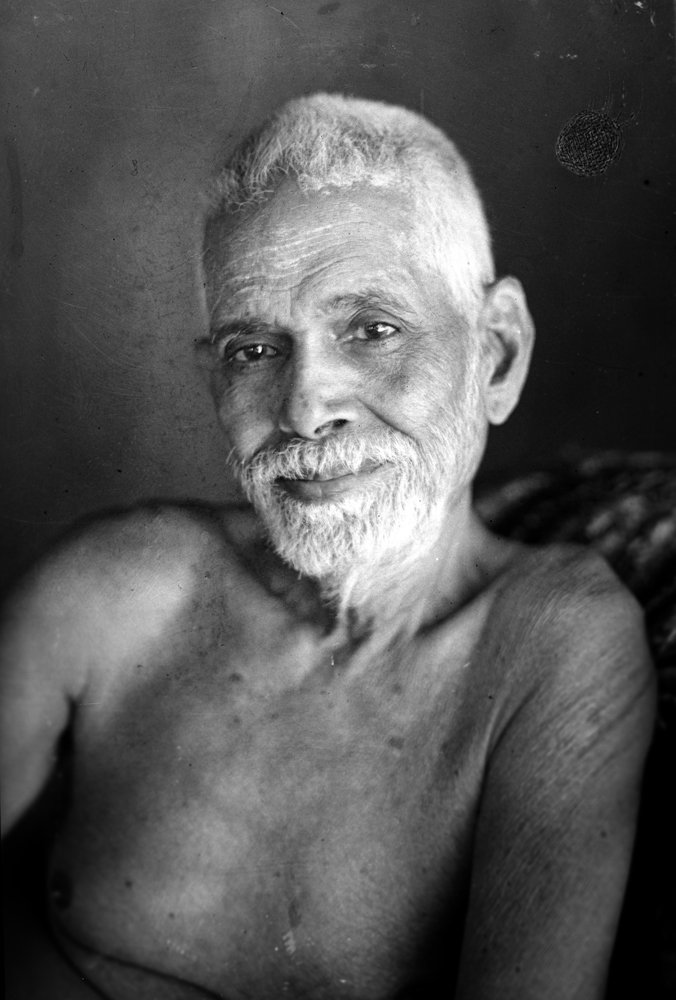 Ramana Maharshi
1879–1950
Modern Advaita
-
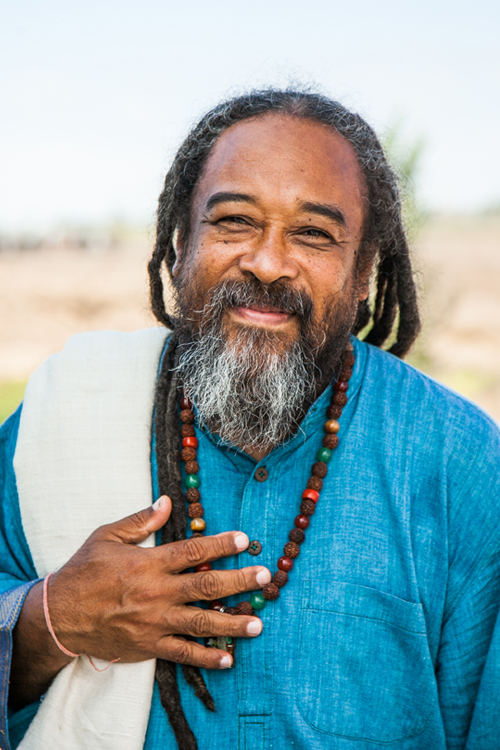 Mooji
Mooji
Living, age 72
Modern Advaita
-
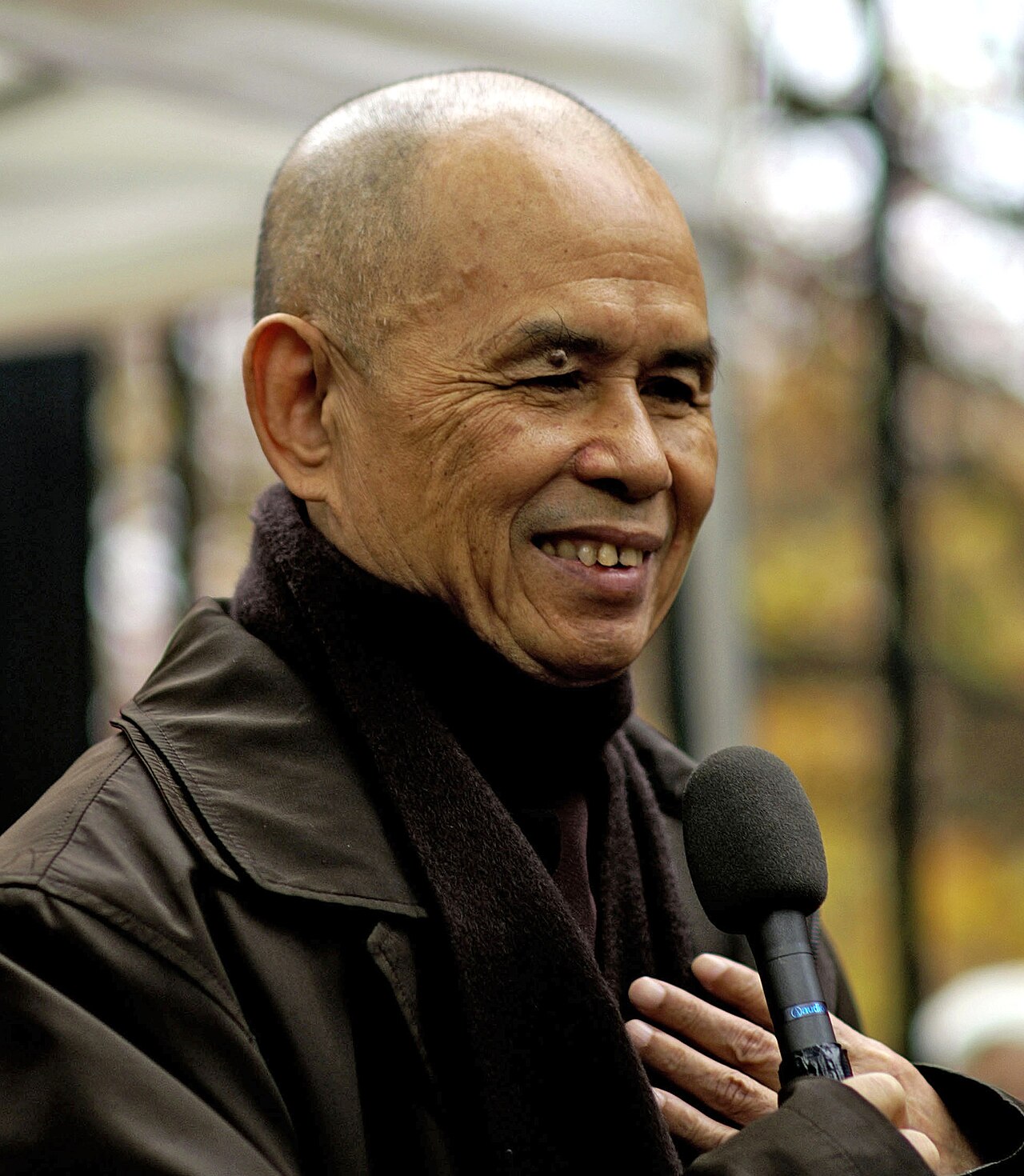 Thich Nhat Hanh
1926–2022
Buddhist paths
-
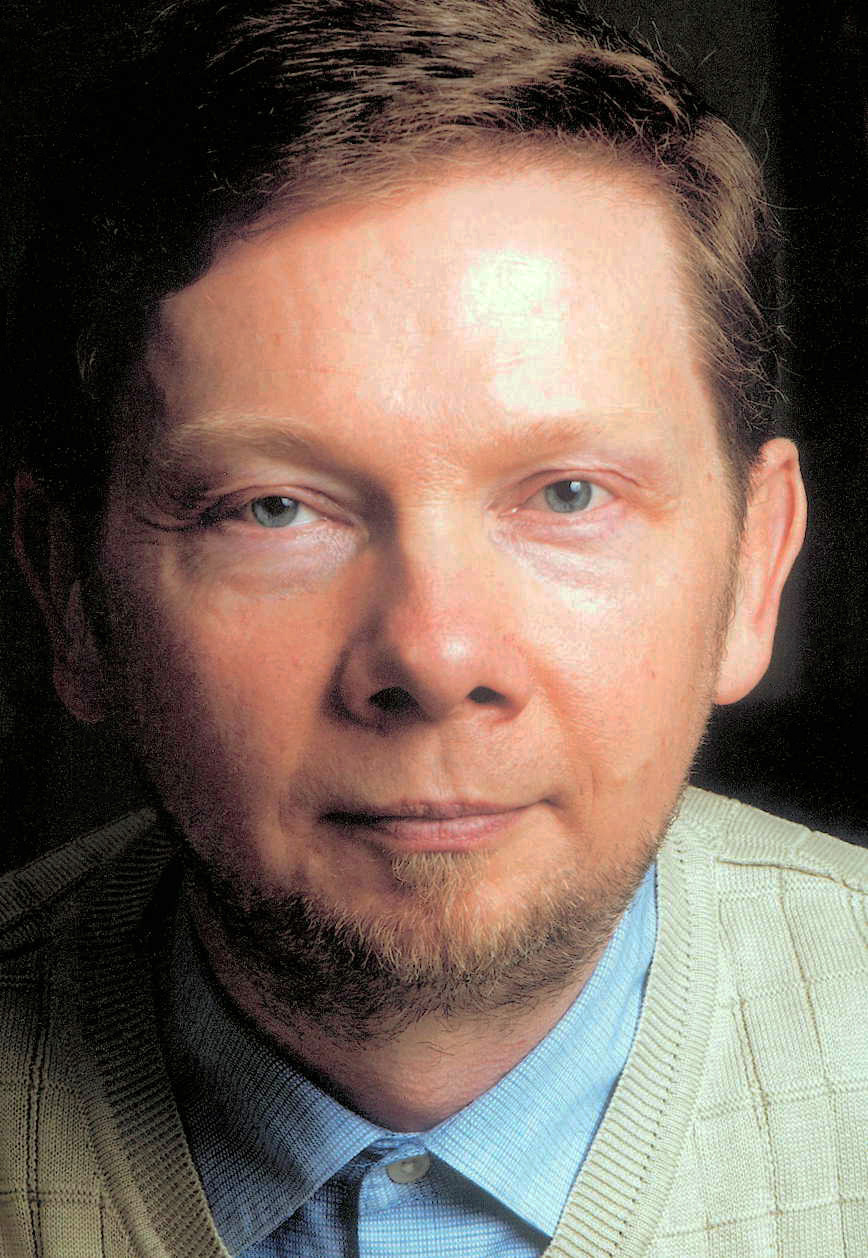 Eckhart Tolle
Living, age 78
Modern Advaita
-
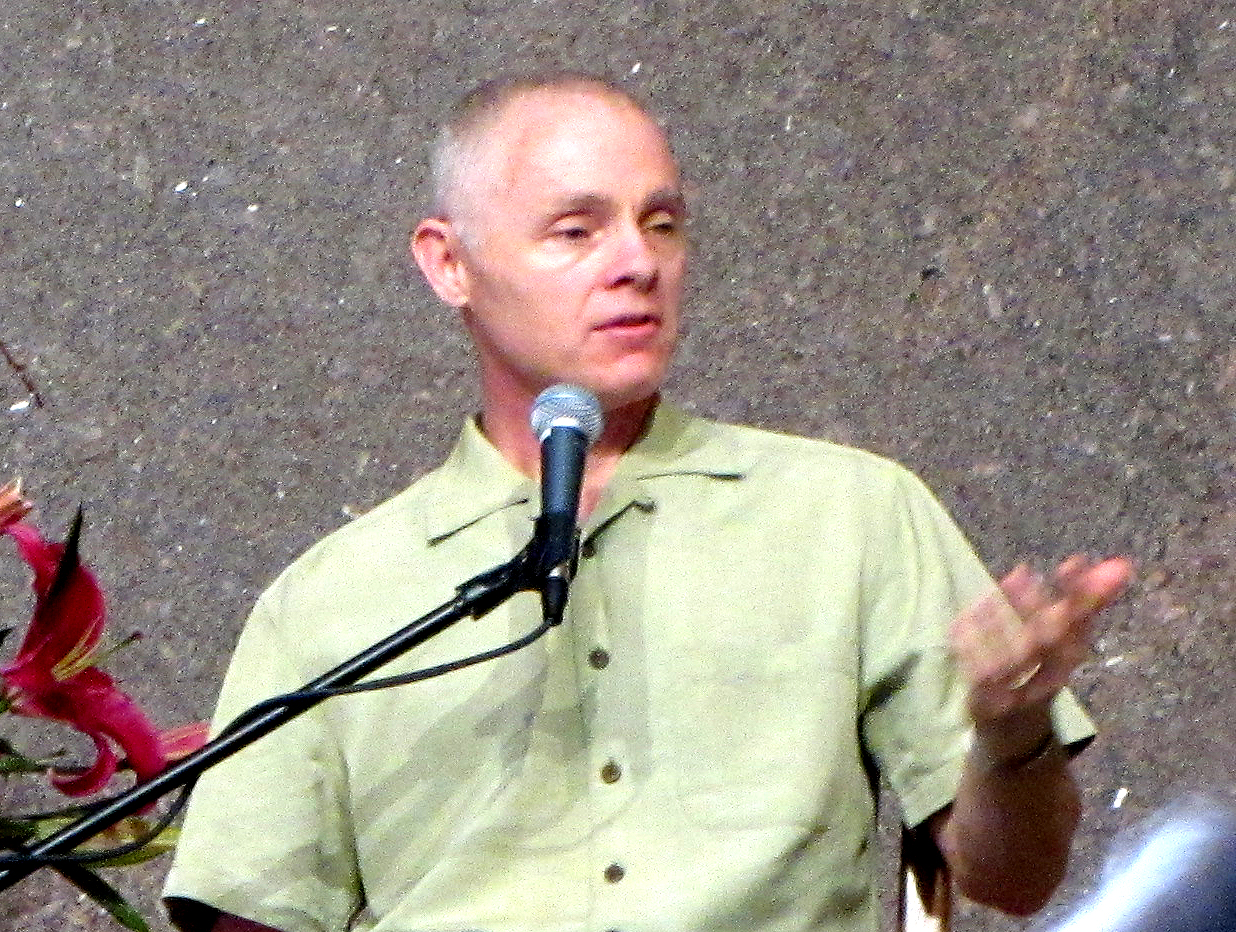 Adyashanti
Living, age 63–64
Modern Advaita
All teachers
Classical Advaita Vedanta
-
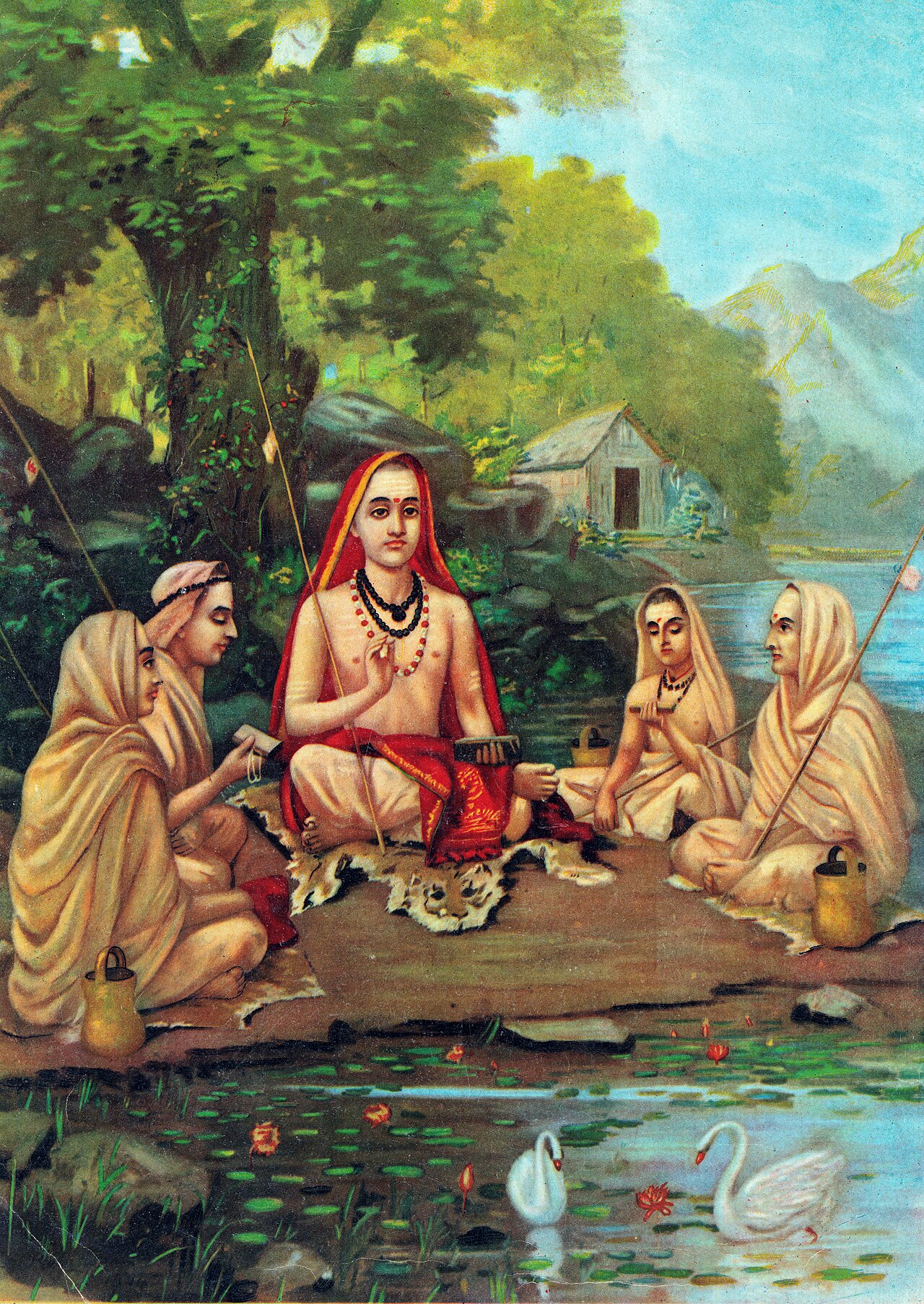
Adi Shankara
- Deceased
- India
For readers who want the classical texts of Advaita and are willing to work through scripture commentary and Sanskrit terms.
-
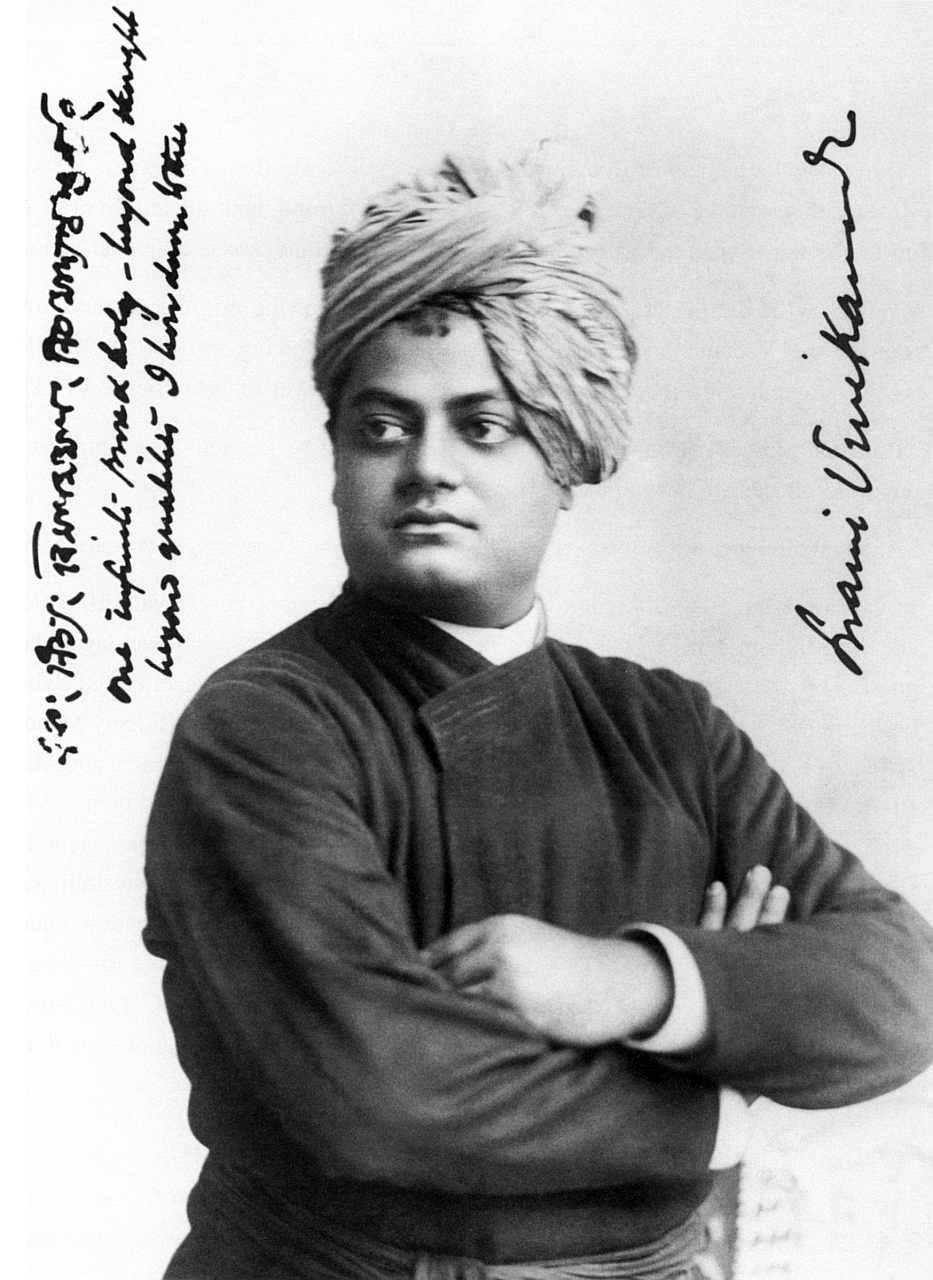
Swami Vivekananda
- 1863–1902
- Belur Math, Howrah, West Bengal, India
For readers who want the classical modern presentation of Vedanta in English, in lectures and essays from the 1890s.
-
Swami Chinmayananda
- 1916–1993
- India
For readers and study groups who want Vedanta and the Bhagavad Gita explained in English, with local centres to study in.
-
Swami Dayananda Saraswati
- 1930–2015
- Arsha Vidya centres in Rishikesh and Anaikatti (Coimbatore), India, and Saylorsburg, Pennsylvania, USA
For students who want a systematic, traditional study of Vedanta in English, from introductory public talks to verse-by-verse commentary with the Sanskrit text.
Modern Advaita
-
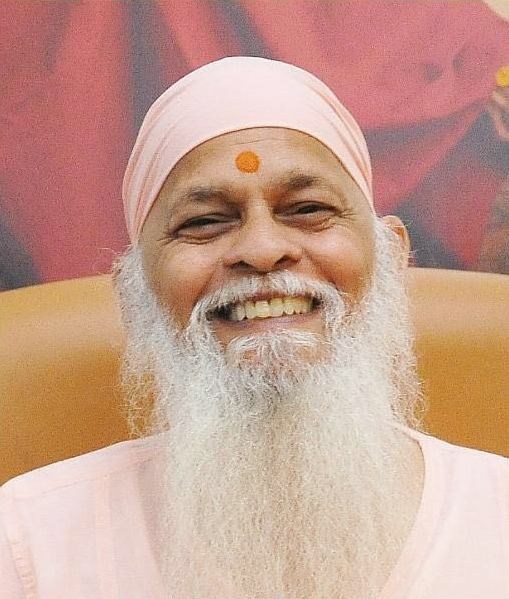
For people looking for a simple, daily silent meditation in a devotional setting centred on the guru.
-
Ramana Maharshi
- 1879–1950
- Tiruvannamalai, India
For readers who want a short classical text on self-enquiry and do not mind Sanskrit terms.
-
Sri Atmananda Krishna Menon
- 1883–1959
- Trivandrum (Thiruvananthapuram), Kerala, India
For readers who like a reasoned, step-by-step approach and are ready for a long book of short notes.
-
Siddharameshwar Maharaj
- 1888–1936
- Sholapur and Mumbai, Maharashtra, India
For readers of Nisargadatta Maharaj who want to read his teacher, and for those interested in the Inchegeri line.
-
Nisargadatta Maharaj
- 1897–1981
- Mumbai, India
For readers who like dense question-and-answer dialogue and a direct, unadorned approach to self-inquiry.
-
Paul Brunton
- 1898–1981
- Switzerland
For Western readers who want Eastern teachings, including Ramana Maharshi's, presented in plain English by an author who travelled to meet teachers himself.
-
Annamalai Swami
- 1906–1995
- Palakottu, Tiruvannamalai, Tamil Nadu, India
For readers of Ramana Maharshi who want a close disciple's account of life with him and direct advice on practising self-enquiry.
-
H. W. L. Poonja (Papaji)
- 1910–1997
- Lucknow, India
For readers who know Ramana Maharshi's self-enquiry and want to see how one of his disciples taught it in short, direct dialogues, and for anyone tracing the Western satsang teachers of the 1990s back to Lucknow.
-
Jean Klein
- 1912–1998
- Europe / USA
For readers who like question-and-answer dialogues and an approach to non-duality that includes the body and the senses.
-
Ranjit Maharaj
- 1913–2000
- Mumbai, India
For readers of Nisargadatta Maharaj and Siddharameshwar Maharaj who want another voice from the same line.
-
Sri Muruganar
- Died 1973
- Tiruvannamalai, Tamil Nadu, India
For readers of Ramana Maharshi who want his teachings as a close devotee recorded them in Tamil verse, read in English translation.
-
Ramesh Balsekar
- 1917–2009
- Mumbai, India
For readers of Nisargadatta Maharaj who want a plain, argued version of non-dual teaching, and who are ready to engage with a strict view of free will and responsibility.
-
Robert Adams
- 1928–1997
- Los Angeles, California, USA
For readers who know Ramana Maharshi's self-enquiry and want informal talks from the 1990s.
-
Sri Nannagaru
- 1934–2017
- Jinnuru, West Godavari district, Andhra Pradesh, India
For readers drawn to Ramana Maharshi's teaching who want it explained in simple talks by a later teacher from Andhra Pradesh.
-
Soham (formerly Samarpan)
- Madhubhan, near Worms, Germany
For German-speaking people who want satsang in question-and-answer form together with a daily silent meditation in the Himalaya Samarpan tradition.
-
Gangaji
- Living, age 83–84
- Ashland, Oregon, USA
For people who want to connect non-duality with emotional honesty and questions of relationship.
-
Ganga Mira
- Living, age 78–79
- Near Aljezur, Algarve, Portugal
For people drawn to direct self-enquiry in the Papaji line who like short, plain answers and informal meetings.
-
Eckhart Tolle
- Living, age 78
- Vancouver, Canada
For readers who want an easily readable approach to presence and to everyday conflicts, without ties to a tradition.
-
Karl Renz
- Living, age 72–73
For people familiar with non-dual ideas who are at ease with a blunt, humorous and paradoxical style and are not looking for a practice.
-
Mooji
- Living, age 72
- Monte Sahaja, Alentejo, Portugal
For people looking for an accessible, conversational entry into self-inquiry in the tradition of Ramana Maharshi and Papaji, who are at ease with devotional language.
-
Rupert Spira
- Living, age 66
- Devon, United Kingdom
For people who want a calm, carefully argued way into non-dual understanding through their own experience and meditation, and who are at ease with long, reflective talks.
-
Adyashanti
- Living, age 63–64
- Retired
- Eastern Sierra, California, USA
For readers who want a short written guide to meditation and inquiry that also asks for honesty and responsibility in everyday life.
-
Roger Castillo
- Living, age 52–53
- Perth, Western Australia
For people who want to examine nonduality through clear concepts and concrete questions about everyday life.
-
Billy Doyle
- Living
- London, United Kingdom
For people who practise yoga and are interested in non-dual self-enquiry. His online classes ask for some earlier experience of yoga or of this approach.
-
Francis Lucille
- Living
- Temecula, California, USA
For people who enjoy careful, reasoned dialogue about awareness and happiness, and who are interested in Jean Klein's direct path, including its work with the body.
-
Isaac Shapiro
- Living
- Byron Shire, New South Wales, Australia
For people who want to look closely at their own bodily experience and resistance, in quiet meetings and retreats rather than through doctrine.
-
Mukti
- Living
- California, USA
For people who want to combine silent meditation with self-inquiry and an approach through the body.
-
Neelam
- Living
- Near Santa Fe, New Mexico, USA
For people drawn to self-enquiry in the line of Ramana Maharshi and Papaji who want to include the body and difficult experience in that enquiry.
-
Éric Baret
- Living
For people drawn to a bodily, listening approach to non-duality. His website advises people with a psychiatric history or in psychological treatment against this practice.
Bhakti and devotion
-
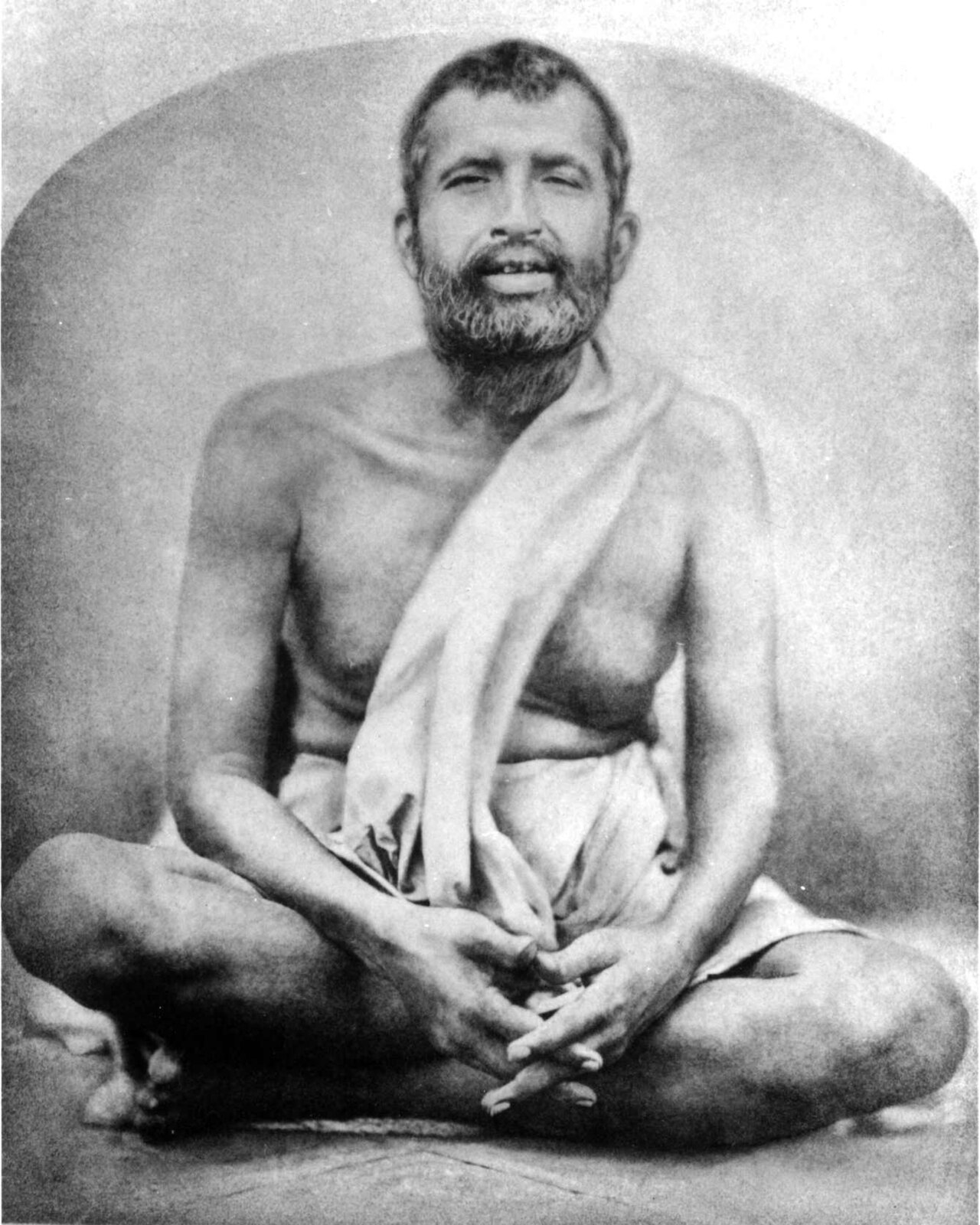
Sri Ramakrishna
- 1836–1886
- Dakshineswar, Kolkata, India
For readers who want to see devotion and non-dual knowledge held together, in the plain talk and parables of a nineteenth-century Bengali mystic.
-
Swami Ramdas (Papa Ramdas)
- 1884–1963
- Anandashram, Kanhangad, Kerala, India
For people drawn to devotion and the repetition of a divine name, and for readers who want a first-hand account of a life given to God; Anandashram is open to people of any faith, creed or caste.
-
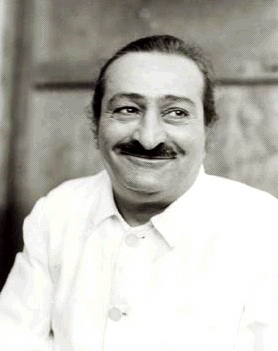
Meher Baba
- 1894–1969
- Meherabad, near Ahilyanagar (Ahmednagar), India
For readers interested in devotional paths and in the movement around Meher Baba; the texts assume that he is the Avatar.
-
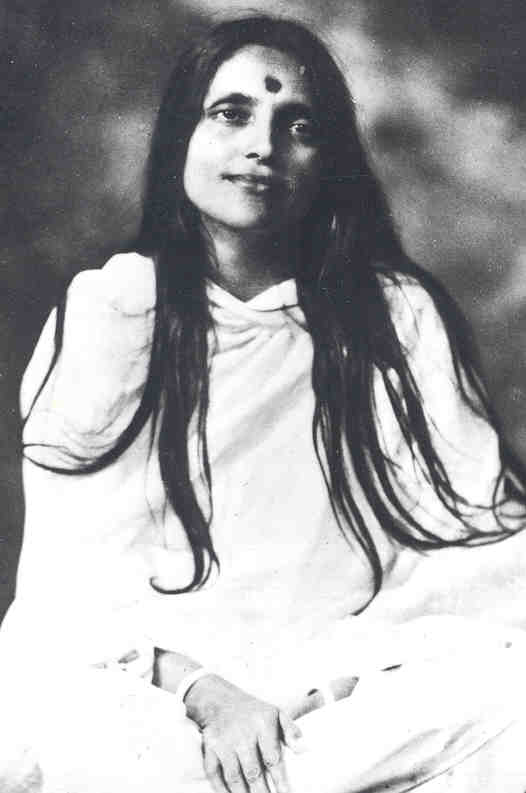
Anandamayi Ma
- 1896–1982
- Dehradun, India
For people who want to bring devotion and self-enquiry into ordinary life, within or alongside the Hindu tradition.
-
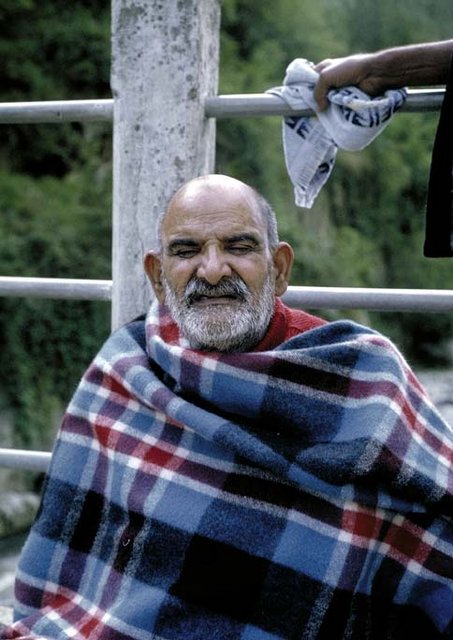
Neem Karoli Baba
- Died 1973
- Kainchi Dham near Nainital, Uttarakhand, India
For people drawn to devotion and service.
-
Yogi Ramsuratkumar
- 1918–2001
- Tiruvannamalai, Tamil Nadu, India
For readers drawn to devotion and the repetition of a divine name rather than to philosophical texts.
-
Thiruvadi Thuli Baba
- 1930–2016
For readers interested in devotion and surrender to a guru alongside Ramana Maharshi's self-enquiry.
-
Ram Dass
- 1931–2019
- Maui, Hawaii, USA
For Western readers interested in devotion, meditation and service, told through an American teacher's own path from academic psychology to an Indian guru.
-
Shri Shivabalayogi Maharaj
- 1935–1994
- Andhra Pradesh / Bengaluru, India
For people who want a practical, historical approach through silent meditation and devotion. The sources checked are in English.
-
Mata Amritanandamayi (Amma)
- Living, age 72–73
- Amritapuri, Kerala, India
For people who want devotion and practical service together and do not mind large gatherings. Her words mostly reach English readers in translation from Malayalam.
-
Mother Meera
- Living, age 65
- Schaumburg, Balduinstein, Germany
For people drawn to silent devotion and a personal blessing, whatever their faith. There are no talks or courses; Darshan requires registration.
Yoga traditions
-
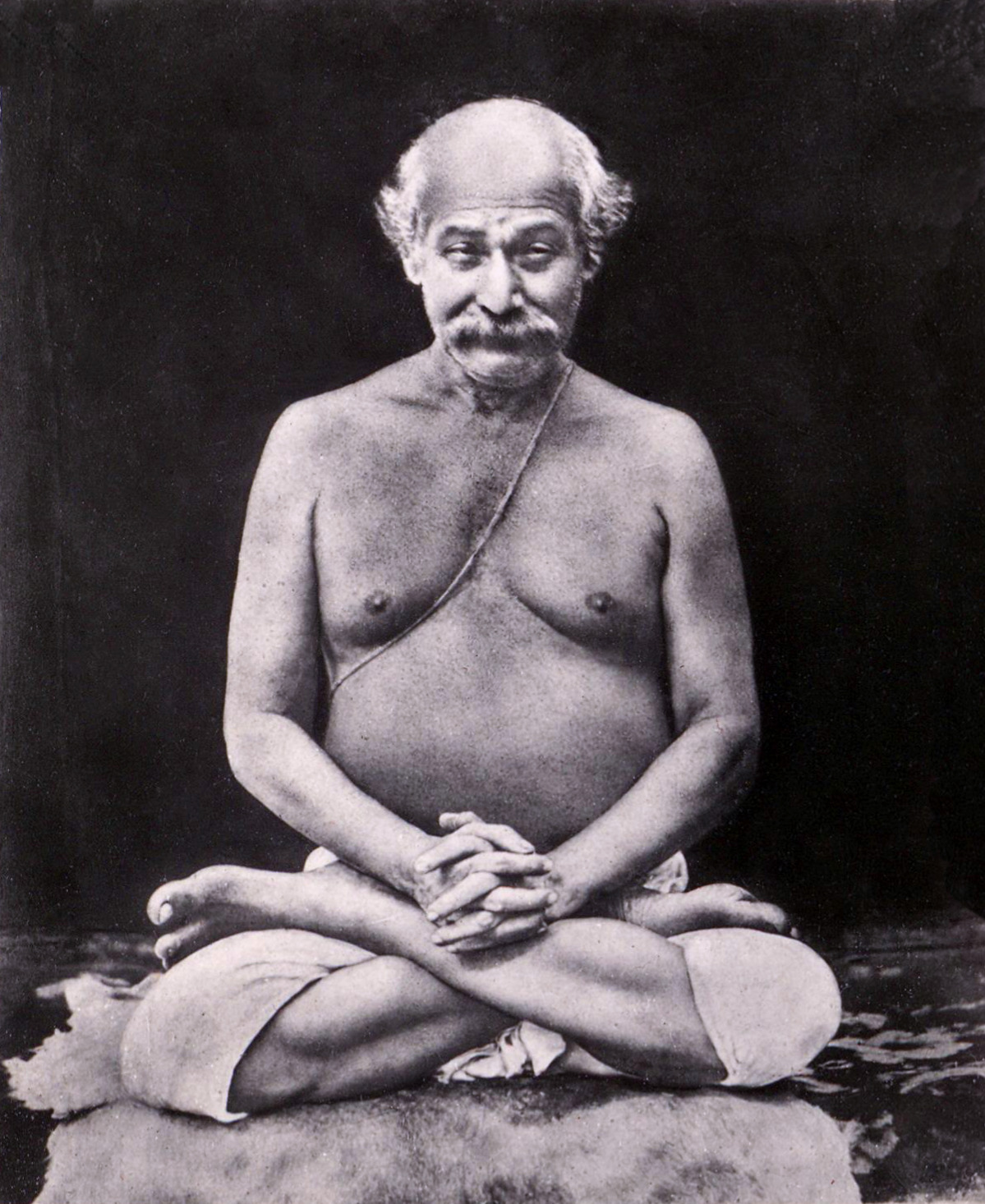
Lahiri Mahasaya
- 1828–1895
- Varanasi (Banaras), India
For people interested in Kriya Yoga as a practice for those with family and work, who can accept that his words reach us second-hand.
-
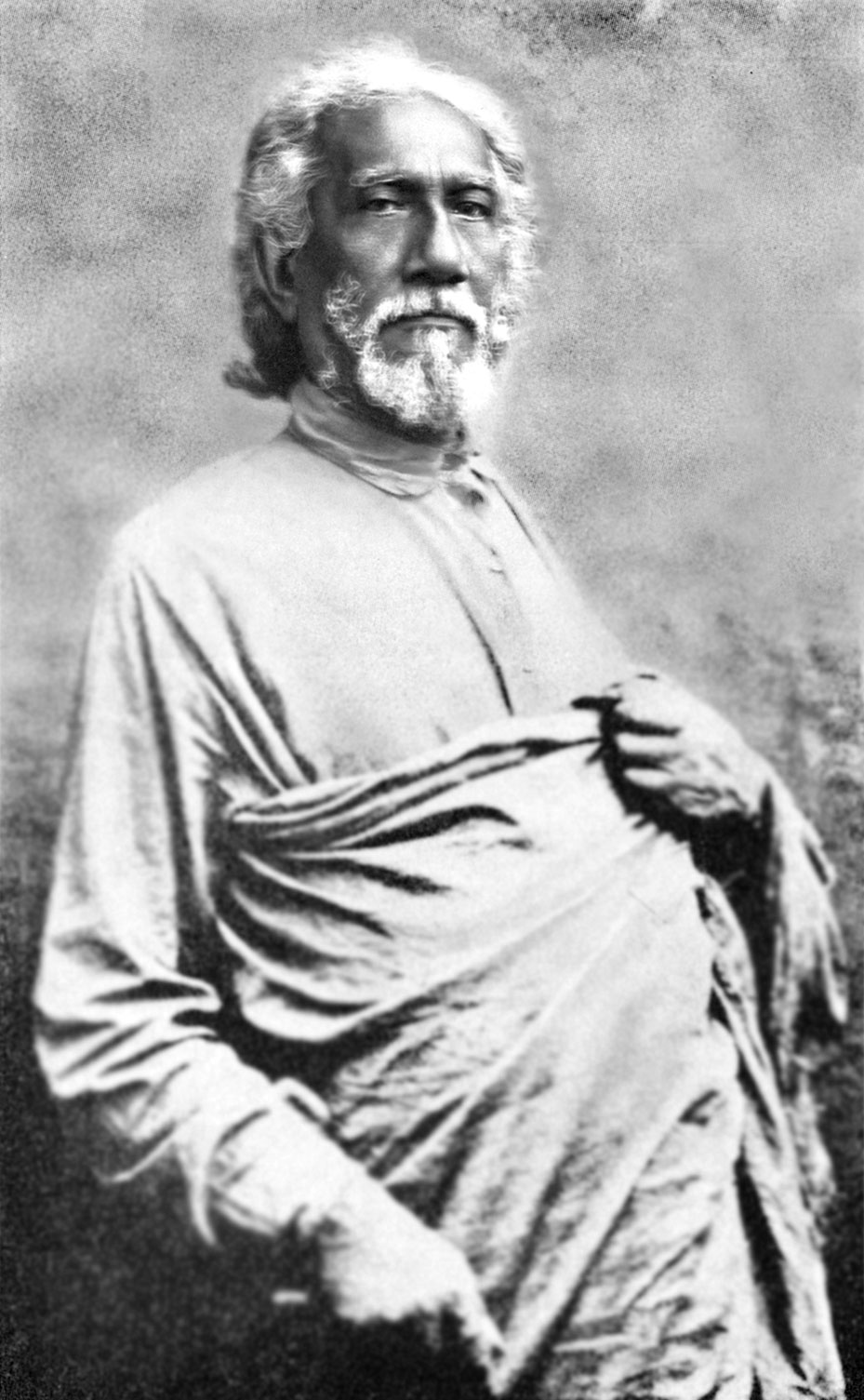
Swami Sri Yukteswar Giri
- 1855–1936
- Serampore, West Bengal, India
For readers who want to understand the background of Kriya Yoga and of Yogananda's teaching, and who are interested in comparing Indian philosophy with the Bible.
-
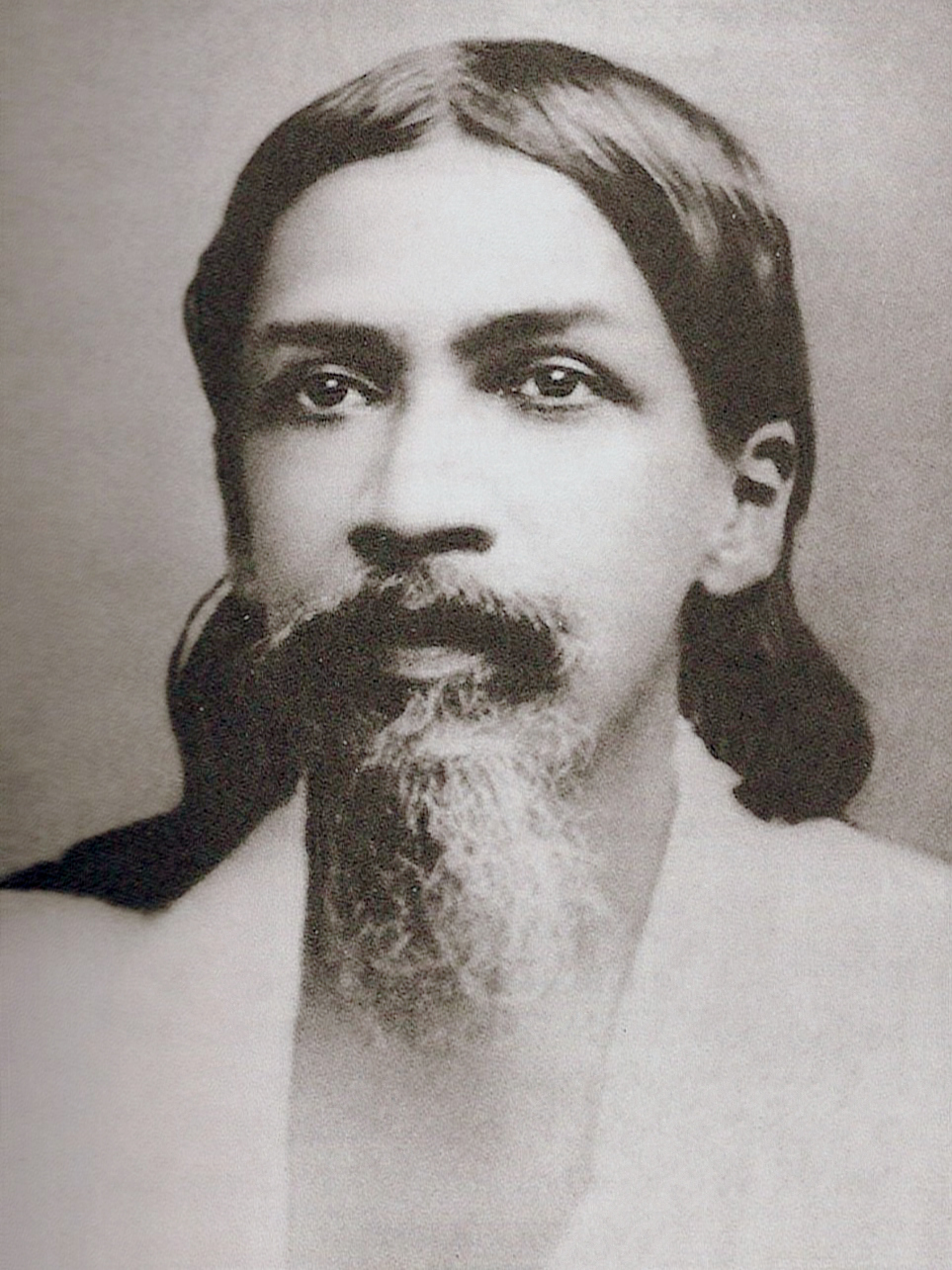
Sri Aurobindo
- 1872–1950
- Pondicherry (Puducherry), India
For readers who are ready for long philosophical prose and are interested in a path that includes the world instead of leaving it. His view differs from classical Advaita: he treats the world as real.
-
Mirra Alfassa (The Mother)
- 1878–1973
- Pondicherry (Puducherry), India
For readers who prefer spiritual guidance as questions and answers and short notes rather than long treatises. The texts assume the framework of Sri Aurobindo's yoga and treat her as a spiritual authority.
-
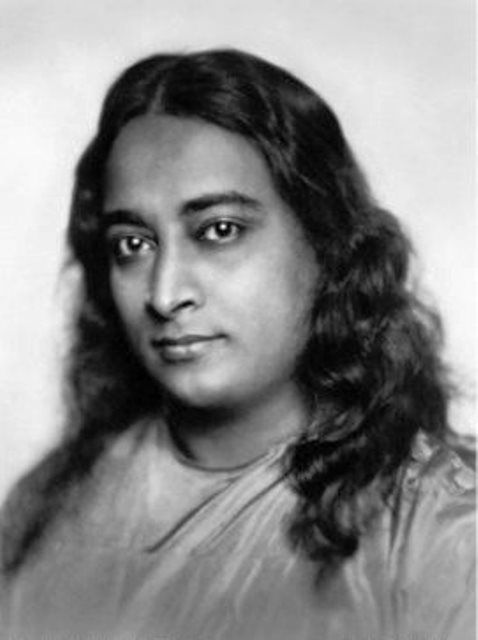
Paramahansa Yogananda
- 1893–1952
- Los Angeles, California, USA
For people who want a structured path of meditation within a lineage and an organisation, and who are at ease with devotional language and accounts of miracles.
-
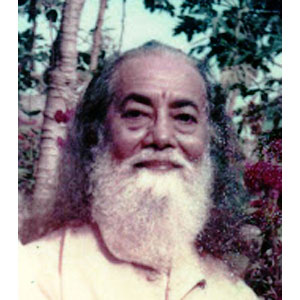
Paramahamsa Hariharananda
- 1907–2002
- Puri, India; later Europe and the USA
For people who want to learn a breath-based meditation technique of the Kriya Yoga tradition in the line of Yogananda, given at an initiation, and who read the scriptures of several religions as pointing to one goal.
Buddhist paths
-
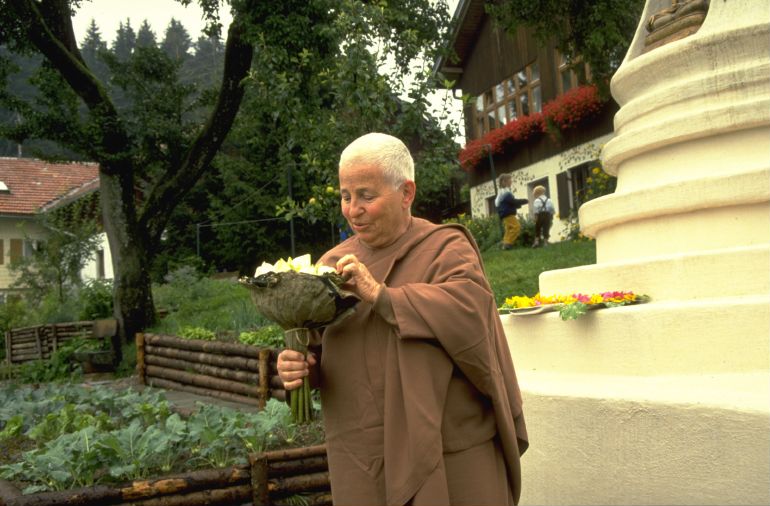
Ayya Khema
- 1923–1997
- Buddha-Haus, Allgäu, Germany
For people who want a clear, practical introduction to Buddhist meditation and to the teaching of non-self, in English or German.
-
S. N. Goenka
- 1924–2013
- Mumbai, India
For people who want to learn a structured meditation practice in a ten-day residential course in silence and can keep its discipline for the whole course, whatever their religion. The organisation says the course requires hard, serious work and does not recommend it for people with significant mental health issues.
-
Thich Nhat Hanh
- 1926–2022
- Plum Village, Thénac, France
For people who want a simple, bodily practice they can take into everyday life, and for those interested in a Buddhist view of non-separation.
-
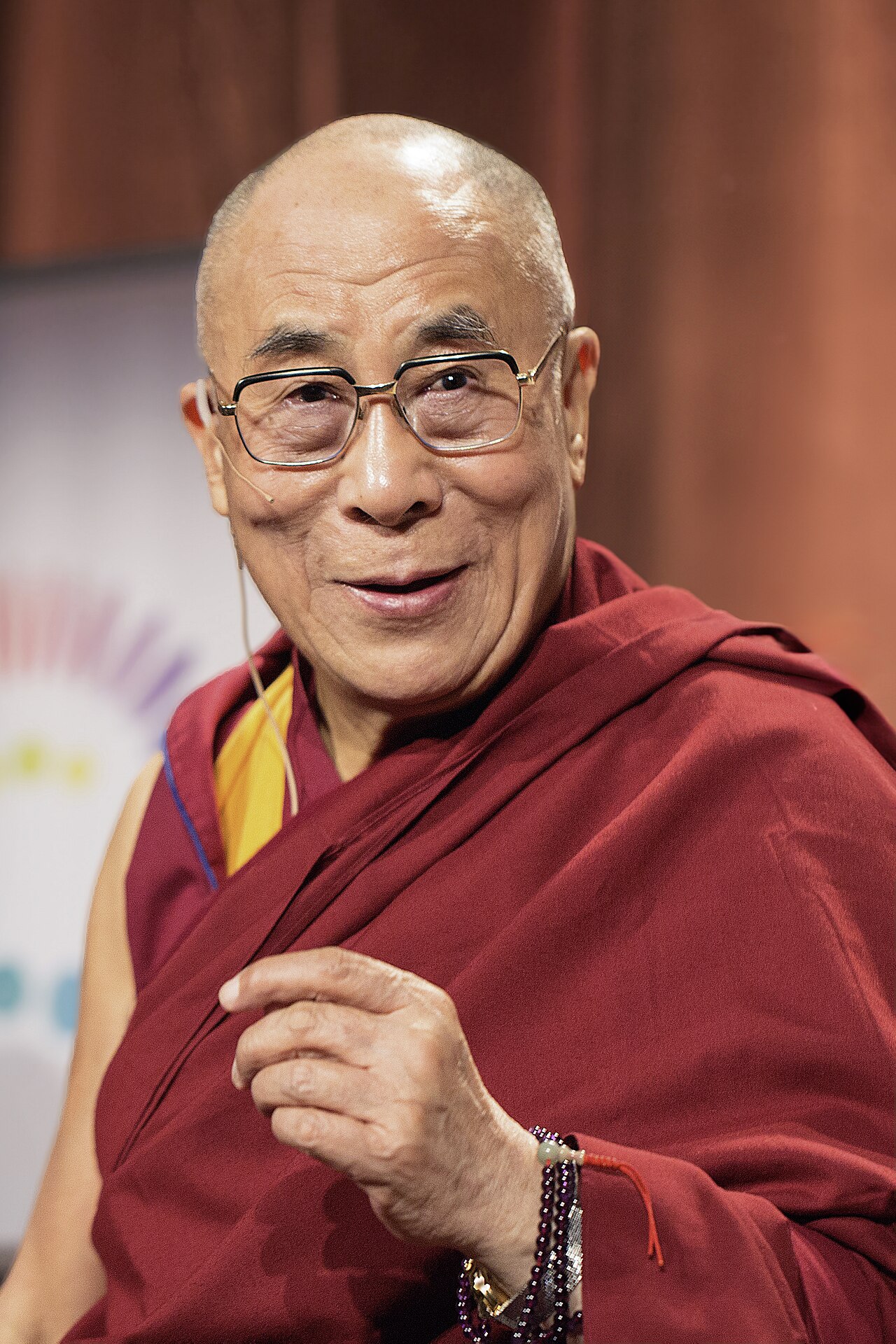
Tenzin Gyatso (14th Dalai Lama)
- Living, age 91
- Dharamsala, India
For people who want to explore compassion and Buddhist philosophy. This approach belongs to Tibetan Buddhism.
-
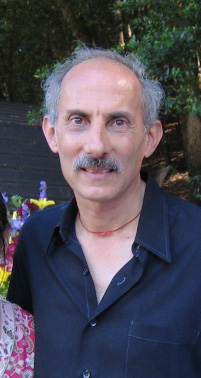
Jack Kornfield
- Living, age 81
- Spirit Rock Meditation Center, Woodacre, California, USA
For readers and meditators who want an introduction in plain language to Buddhist mindfulness practice and its teachings on the heart, with a view to daily life. He is a Buddhist teacher, not an Advaita teacher.
Related paths
-
Shams-i Tabrizi (Shams al-Din of Tabriz)
- Deceased
- Konya, Anatolia (Rumi's circle)
For readers who want to meet the man Rumi called his mentor through his own recorded sayings rather than through the legends about him. He spoke as a Muslim Sufi; this catalogue lists him among related paths, and 'nondual' is our word for this, not his.
-
Jalal ad-Din Rumi (Mevlana)
- 1207–1273
- Konya, Anatolia (present-day Turkey)
For readers who want to meet the longing for God and the passing away of the self as a Muslim Sufi poet and teacher put them, in stories and poems. This catalogue lists him among related paths; 'nondual' is our word for this, not his.
-
Husam al-Din Chalabi (Hasan ibn Muhammad, Ibn Akhi Turk)
- Died 1284
- Konya, Anatolia (present-day Turkey)
For readers who want to know the disciple to whom Rumi addressed the Masnavi and who wrote it down, and how Rumi's circle in Konya carried his teaching on after his death. He was a Muslim Sufi; this catalogue lists him among related paths, and 'nondual' is our word for this, not his.
-
Sultan Walad (Baha al-Din Muhammad Walad)
- 1226–1312
- Konya, Anatolia (present-day Turkey)
For readers who want to see how Rumi's teaching was explained and passed on by his son, in plain teaching verse and discourses. He wrote as a Muslim Sufi; this catalogue lists him among related paths, and 'nondual' is our word for this, not his.
-
Meister Eckhart
- Died 1328
- Location and teaching languages not checked
For readers drawn to Christian mysticism and its language of detachment and the ground of the soul, who are willing to read medieval texts in a translation or with a commentary.
-
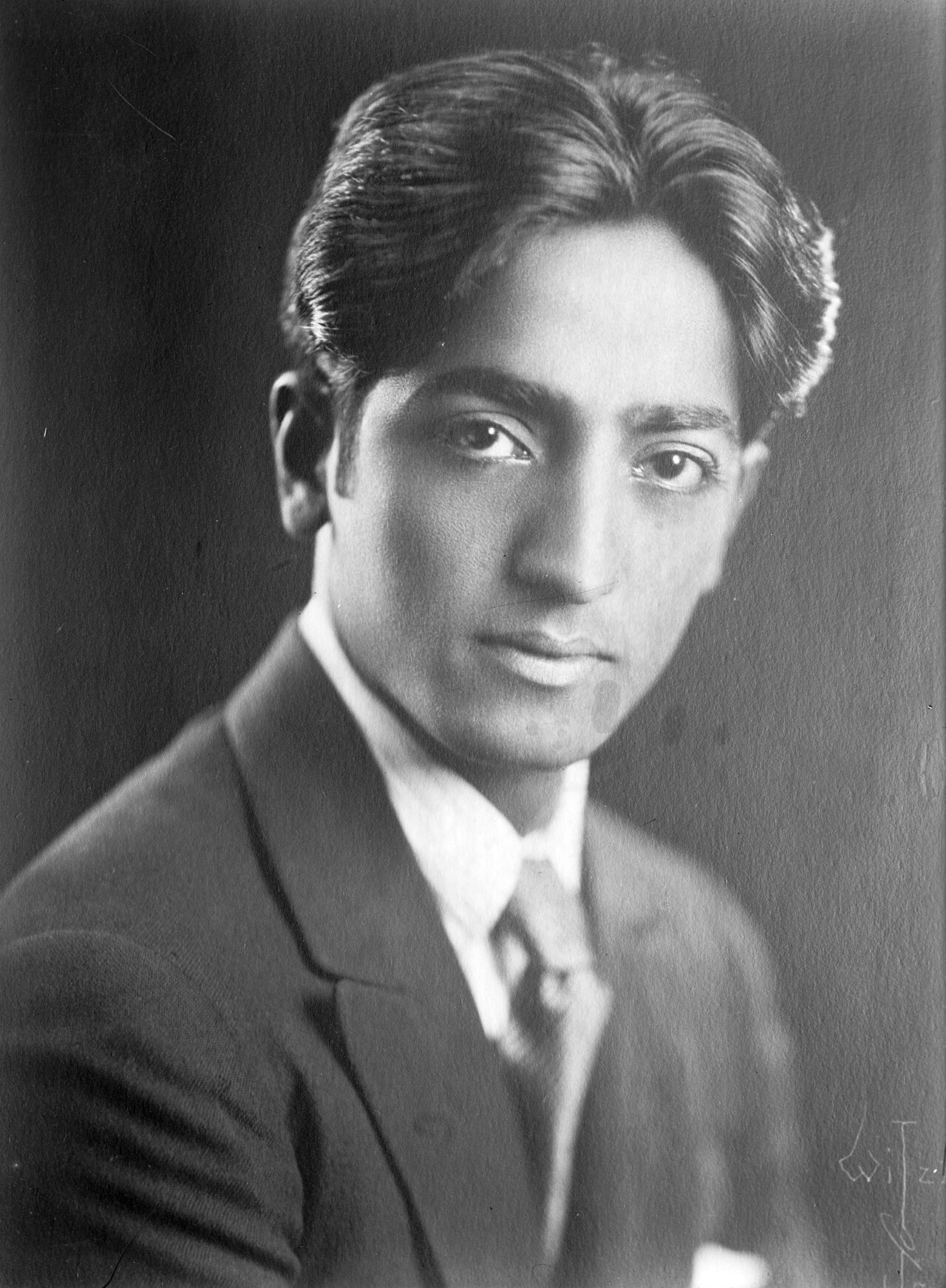
J. Krishnamurti
- 1895–1986
- Ojai, California, USA
For people who want to look into fear, thought and relationship for themselves, without a tradition, method or teacher.
-
U. G. Krishnamurti
- 1918–2007
For readers who want a blunt challenge to the ideas of spiritual seeking, gurus and enlightenment, in plain conversation rather than a method.
-
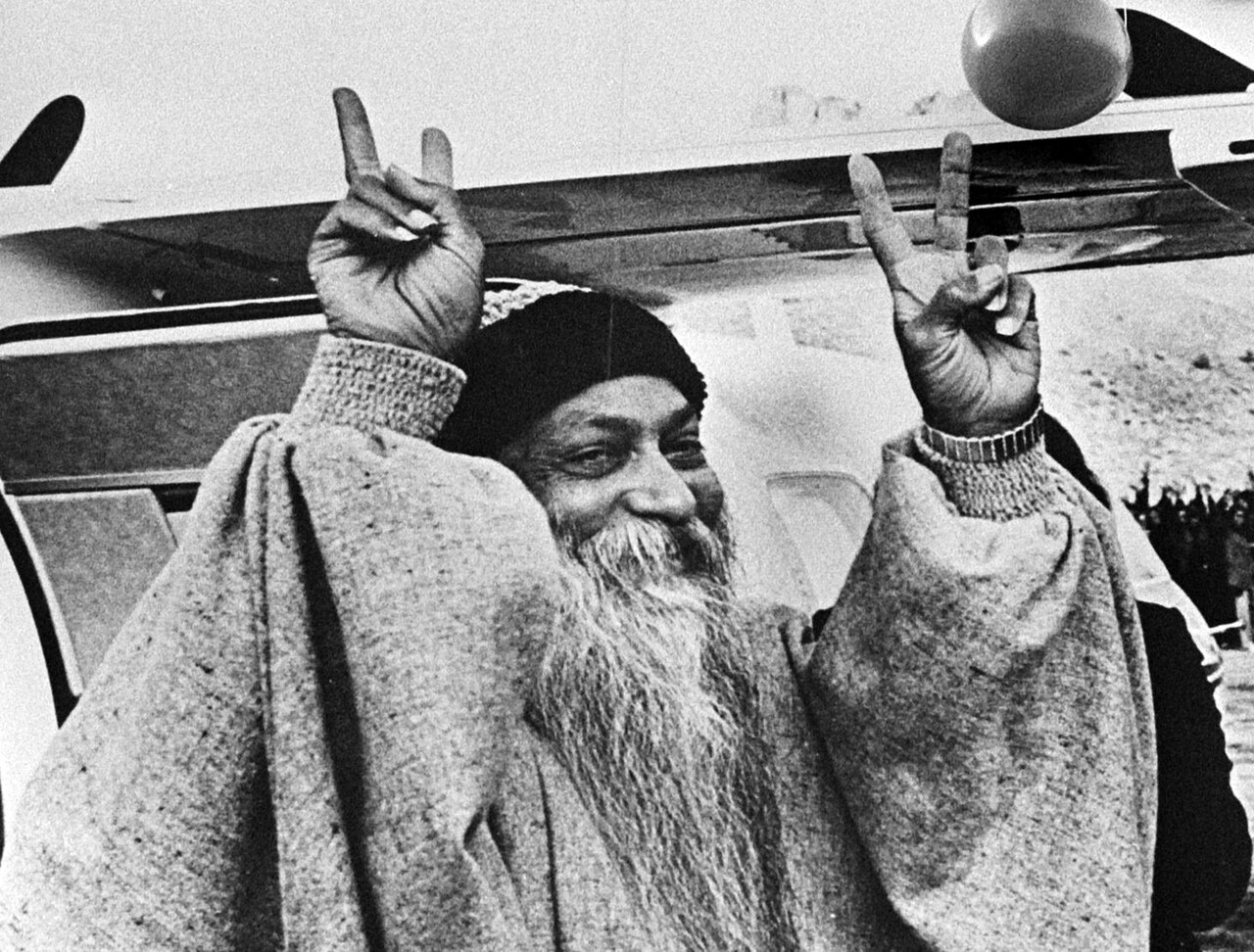
Osho (Bhagwan Shree Rajneesh)
- 1931–1990
- Pune, India
For readers who want to compare spiritual traditions through his commentaries or to try movement-based meditation, and who are ready to look at the history of his movement.
-
A. H. Almaas
- California, USA
For people who want to explore their psychological patterns and spiritual realisation together, through close inquiry into their own experience, and who are open to working over years in a group.
-
Byron Katie
- Living
- Ojai, California, USA
For people who want a simple written method to question their own stressful thoughts.
-
Keith Kavanagh
- Living
- Ireland
For people who study A Course in Miracles, or want to begin, and want to apply its forgiveness practice in daily life.
Someone missing? Suggest a teacher.
Lineage map
Every teacher described here as a circle, with the documented lines between them: teachers and students, meetings and influences.
Open the lineage map